Smuggling


The Peneda-Gerês National Park , a natural gem in northern Portugal, is not only a sanctuary for flora and fauna, but also a silent witness to an intriguing part of local history: smuggling. Over the decades, the stunning landscapes and porous borders of this region have served as a backdrop for smuggling activities, creating a fascinating narrative of challenges, resilience, and local traditions.
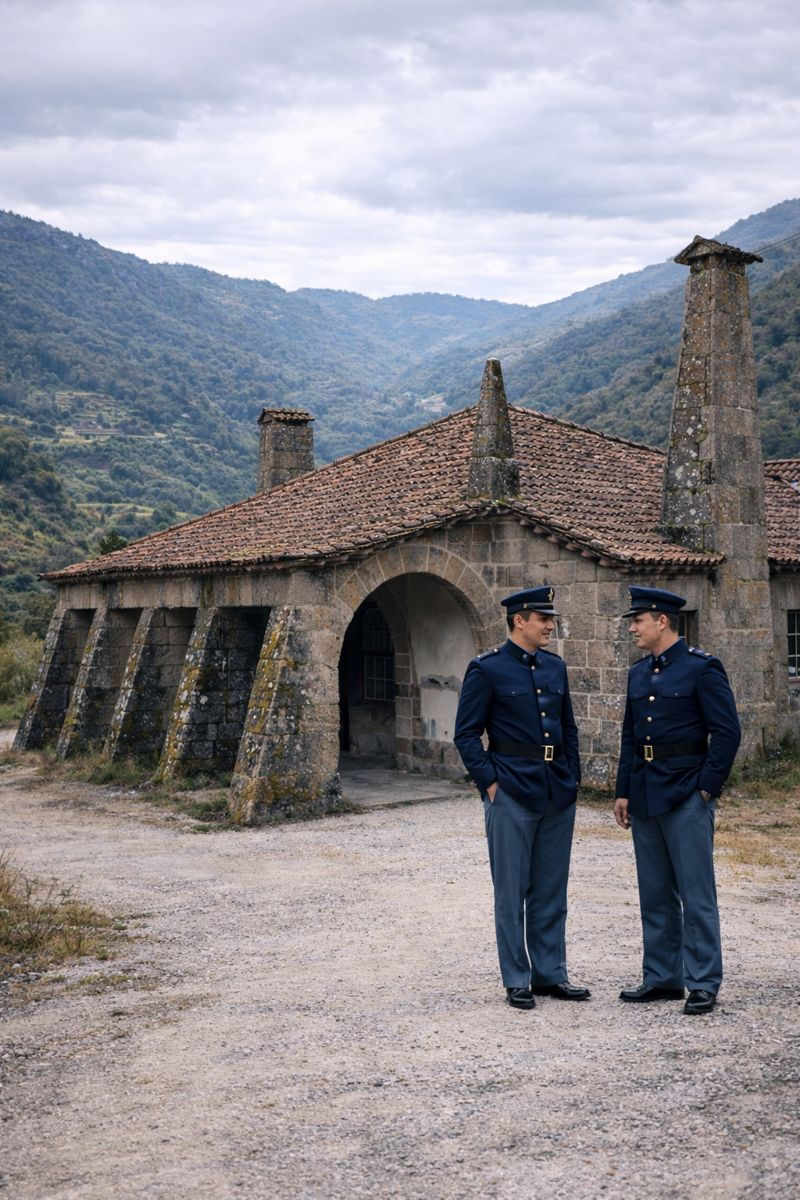
History of Borders and Smuggling
The history of smuggling in the region is intrinsically linked to the unique geography of the Peneda-Gerês National Park. With a natural border between Portugal and Spain, and a vast area of remote territory, the region offered abundant opportunities for those wishing to defy borders and circumvent control systems.

The Role of the National Park
The Peneda-Gerês National Park, with its vastness and diverse terrain, provided ideal hiding places for smugglers. The mountains, lush forests, and remote trails became clandestine routes for transporting prohibited goods, from tobacco to textiles and food.

The Diversity of Smuggled Goods
Reading historical accounts reveals a wide range of goods smuggled in the region. Beyond common products like tobacco and textiles, smugglers often transported everyday necessities, creating an intricate network of illegal trade that responded to the demands of local communities.

Community Participation
Smuggling was not merely an activity of isolated individuals; it was a community enterprise. From local residents to the entrepreneurs who organized the operations, the community played crucial roles. In many cases, smuggling operations became an economic lifeline for communities facing socioeconomic challenges.

Challenges and Resilience
Smuggling activities also presented significant challenges, including constant vigilance from authorities. Customs officers and officials faced the dilemma of controlling borders while dealing with the complicity of some community members. Smuggling, therefore, was not only a matter of challenging geographical boundaries, but also of navigating complex relationships within society.
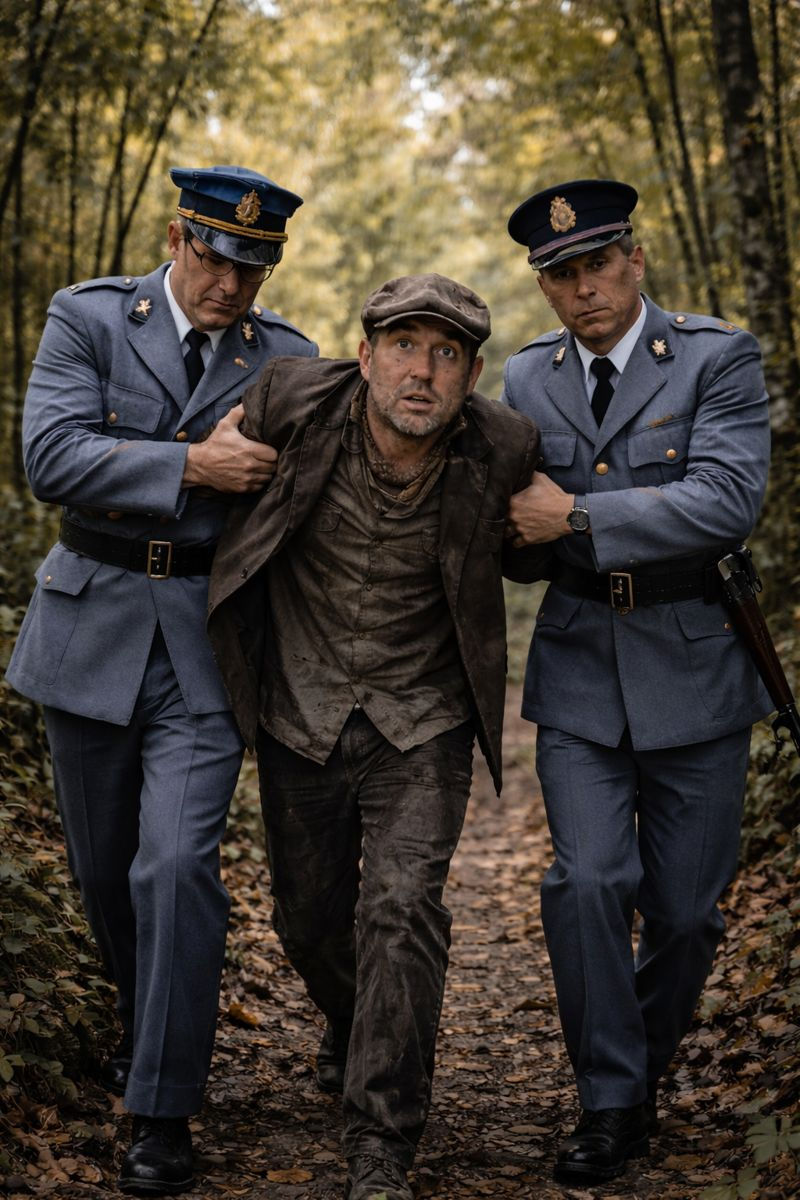
The Adaptability of Smuggling Networks
The complexity of smuggling in the region is evident in the flexible organization of smuggling networks. From bosses and intermediaries to informants and transporters, each role played a crucial part in maintaining operations. The adaptability of these networks, their ability to respond quickly, and their skill in overcoming challenges contributed to their longevity.
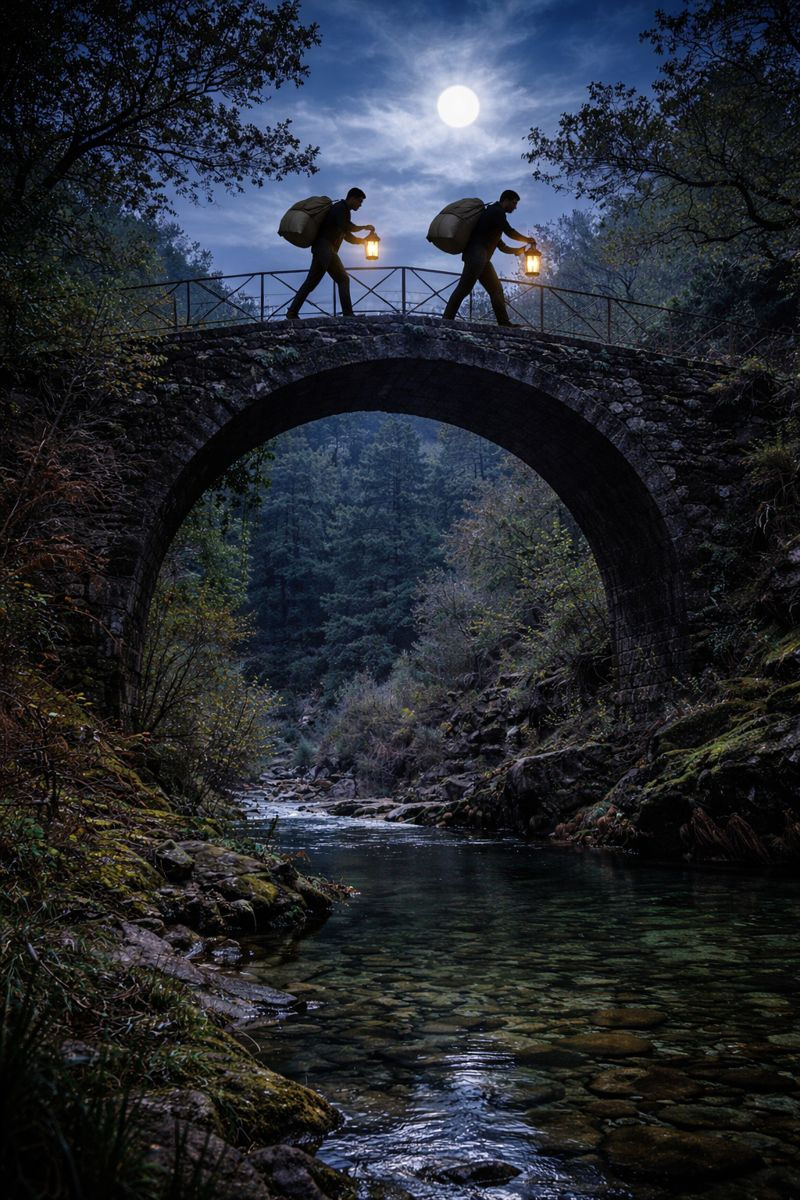
Legacy of Smuggling in Peneda-Gerês
Although smuggling operations have decreased over time, the legacy persists. Practical knowledge, oral traditions, and family stories continue to resonate among local communities. Smuggling in the Peneda-Gerês National Park is more than a history of illegal activities; it is a testament to the resilience of local communities in the face of historical challenges.
Smuggling Route - Soajo
Smuggling in the Peneda-Gerês National Park region is an intrinsic part of its history, a history that unfolds amidst majestic landscapes and local traditions. Amidst the natural beauty, the porous borders continue to tell stories of an era when defying limits was an art practiced by those seeking to secure their livelihood amidst historical and social challenges.
.jpg)
.jpg)
.jpg)
.jpg)
.jpg)