The Pilgrimage Without Sun


In the Peneda-Gerês National Park , more precisely inArcos de Valdevez , associated with the Ermelo Monastery , there is a centuries-old pilgrimage that continues to this day. The pilgrimage to São Bento de Ermelo, or São "Bentinho" de Ermelo, also known as "The Pilgrimage Without Sun," takes place annually on July 11th, the date that marks the liturgical feast of Saint Benedict, patron saint of Arcos de Valdevez. This pilgrimage, of centuries-old origin, attracts a multitude of faithful from neighboring municipalities such as Ponte da Barca, Monção, Melgaço, and Ponte de Lima, who arrive at the sanctuary before dawn to perform traditional devotional rituals and give thanks or ask for blessings. The pilgrimage begins on the night before, July 10th, the eve of the Arcos de Valdevez municipal holiday.

After dinner, the pilgrims form cheerful groups, composed mainly of young people, but also some elderly people who, faithful to tradition, do not fail to participate. Around midnight, the walk begins, lasting about 4 hours into the early morning (at night). In Arcos de Valdevez, it starts at the Ponte dos Arcos (Bridge of Arches), where, equipped with walking sticks, poles and "farnéis" (food for the journey), the pilgrims walk to the Monastery of Ermelo. Along the way, the promise of faith is accompanied by rituals such as the vow of silence and walking barefoot. Also, during the 4 hours of mountain paths, the pilgrims, without disrespecting the religious practice, recall stories from long ago, legends, and other themes that make them remember the walk over the years.
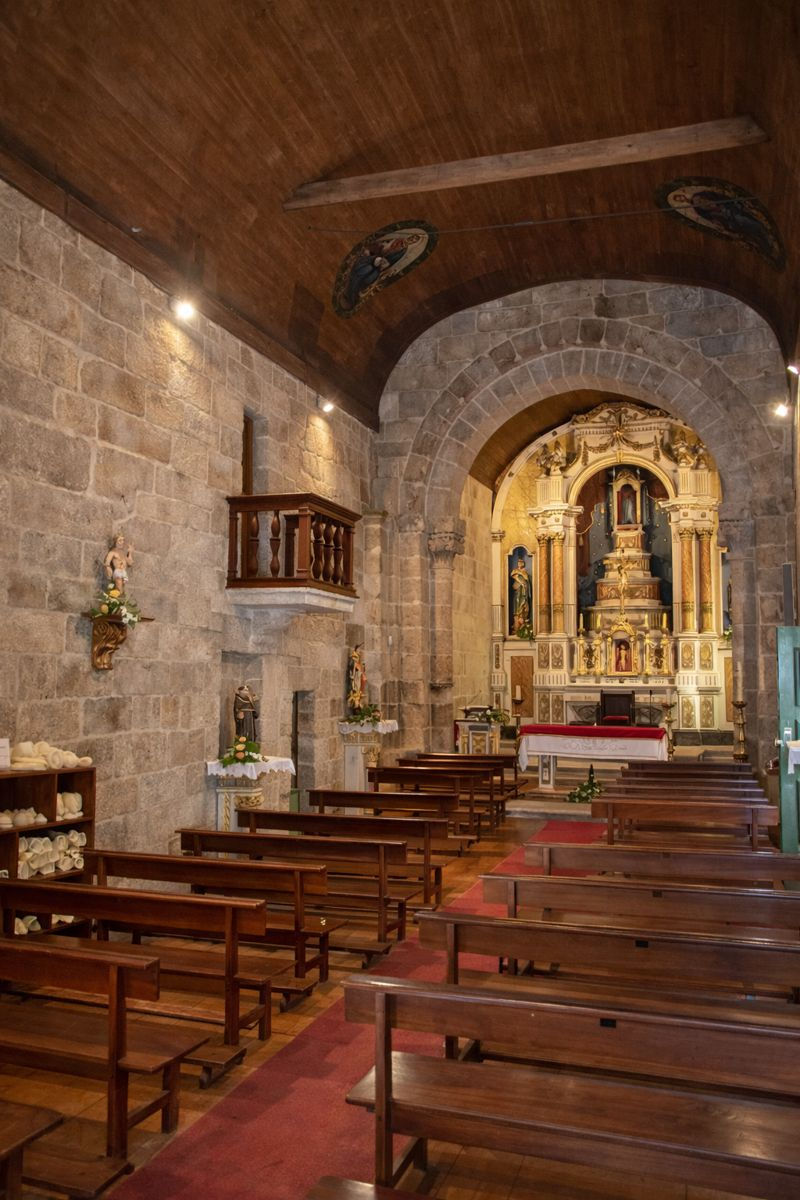
The Monastery of Santa Maria do Ermelo, founded by Cistercian monks under the rule of Saint Benedict, is the epicenter of this pilgrimage. Although the original monastery was almost completely destroyed, the Romanesque church remains, where the venerated image of Saint Benedict, with his traditional pilgrim's hat, attracts the devotion of pilgrims. Saint Benedict is considered a healer of "evils," especially skin diseases, such as warts (called "carnations") that are said to appear when one points at the stars, and people bring red or white carnations as a way of thanking him for the cure or asking for protection.

Upon arriving at the sanctuary, pilgrims perform specific rituals, such as circling the church a certain number of times (always an odd number), praying silently, and depositing offerings on the altar of Saint Benedict, such as wax, coins, and cloves. One of the most striking traditions is the moment when pilgrims bless themselves with the hat of the image of Saint Benedict, an act of faith that symbolizes the fulfillment of their promises.

The celebration culminates with the dawn mass, which begins at 6 am, and the grand procession, which takes place at noon, winding through the streets of Ermelo, accompanied by the sound of bells and fireworks. During the day, the pilgrims continue their journey, visiting the food and drink stalls, exchanging stories and sharing moments of devotion and joy.

Despite the challenges of the journey, the pilgrimage is an opportunity to experience a rich cultural, religious, and community heritage. The Ermelo Monastery, with its architectural beauty and lush landscape, is a setting that makes the experience even more meaningful. The orange groves of Ermelo, famous for the quality of their fruit, are part of this landscape and contribute to the maintenance and appreciation of tradition.
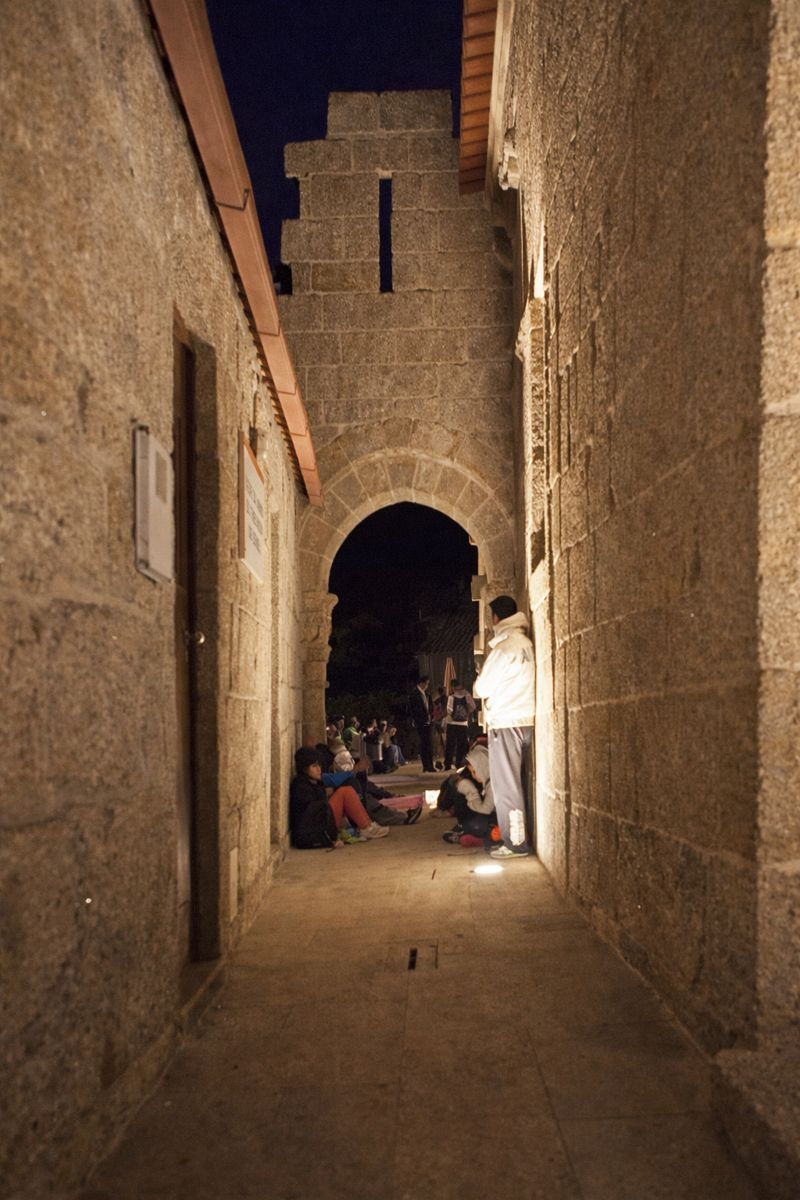
This pilgrimage, known as the "Pilgrimage without Sun," is a testament to faith, devotion, and the profound connection between the people and their patron saint. It is repeated every year, renewing the commitment of faith and bringing with it the promise that, along the way, the pilgrim encounters not only the saint but also themselves, on a journey of reflection and overcoming challenges.
.jpg)
.jpg)
.jpg)
.jpg)
.jpg)