The Mourning Women


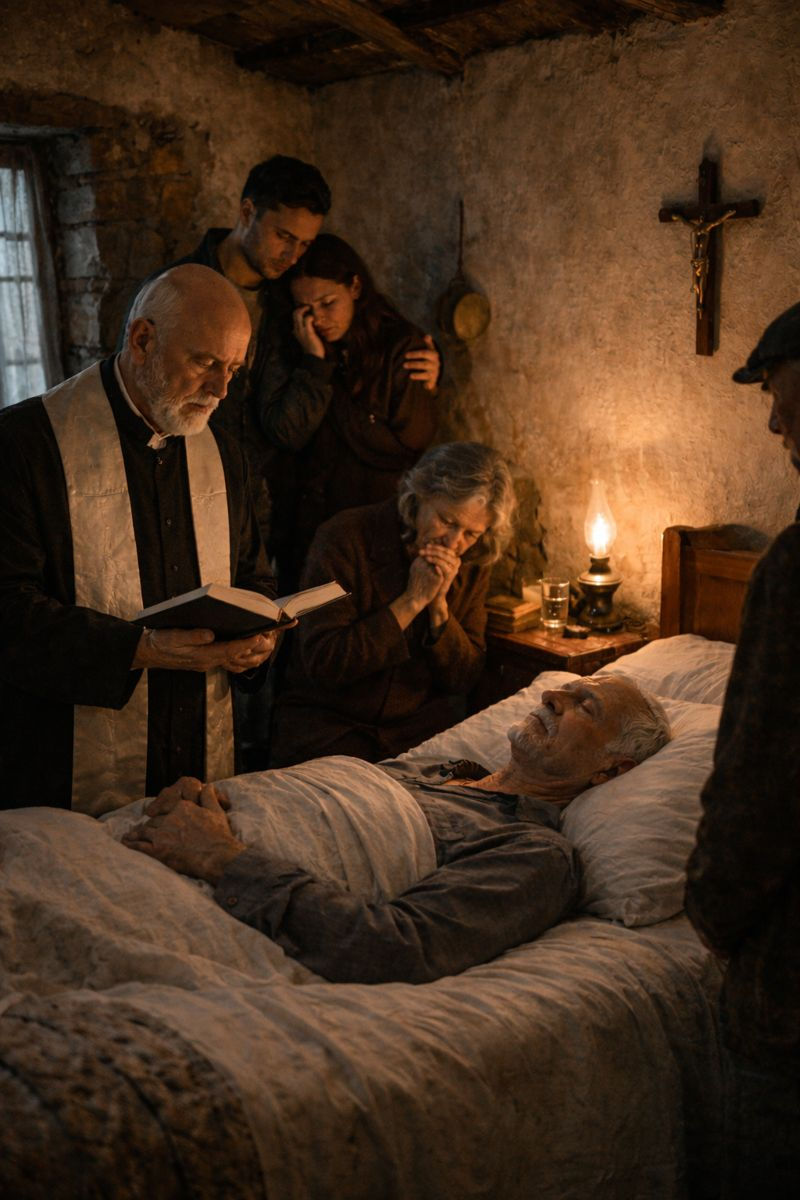
Professional mourners, women specialized in the art of lamenting and weeping at funerals, have a significant presence in various cultures and traditions around the world, but also in the Peneda-Gerês National Park , more precisely in the villages of Soajo , Peneda , Lindoso , and Castro Laboreiro . Whether in Ancient Greece, the Middle East, or contemporary rural communities, professional mourners play a unique role in funeral ceremonies, combining expressions of grief with an intricate social performance.

Origins and History
The origins of professional mourners date back to ancient funeral traditions, where women were designated to express collective grief during rites of passage. In Ancient Greece, for example, there were women hired to cry at funerals, known as "profugae" or "mourners." These women were often selected for their skill in performing arts and their ability to communicate intense emotions. In the Middle East, the role of professional mourners was also historically significant. They were responsible for leading the lamentations in Arabic known as "nawh," expressing sorrow and honoring the deceased. This practice spread to other regions, playing a vital role in cultural rituals.

The Role of Professional Mourners
The work of professional mourners goes beyond simple lament. Their role is to create an atmosphere of mourning, expressing the community's grief and honoring the deceased. Through chants, dramatic gestures, and sometimes even elaborate choreography, professional mourners transform grief into a collective experience. They can also be seen as guardians of cultural memory. They transmit traditions, stories, and values of a community through their performances, often preserving important elements of cultural heritage.
Contemporary Challenges
However, the role of professional mourners has faced challenges in the modern context. Changes in funeral practices, the growing influence of Western culture, and the evolving perception of grief expression have impacted the demand for this traditional service. Furthermore, in some cultures, the authenticity of professional mourners may be questioned. In certain cases, women are hired to perform this role without a real emotional connection to the deceased, which can lead to criticism regarding the commercialization of grief.
Between Tradition and Change
Like legends such as the Acompanhamento and the Berrega , professional mourners have played a fundamental role in preserving cultural aspects throughout history. Their dramatic performances not only provide solace to grieving communities but also contribute to the richness and diversity of cultural heritage. However, the evolution of funerary practices and changes in social perceptions challenge the continuity of this role. Like many cultural traditions, the role of professional mourners is subject to adaptations and negotiations between preserving the past and understanding the present. Ritual lamenting remains a unique artistic expression, but its future may depend on its ability to meaningfully integrate into contemporary dynamics.
.jpg)
.jpg)
.jpg)
.jpg)
.jpg)